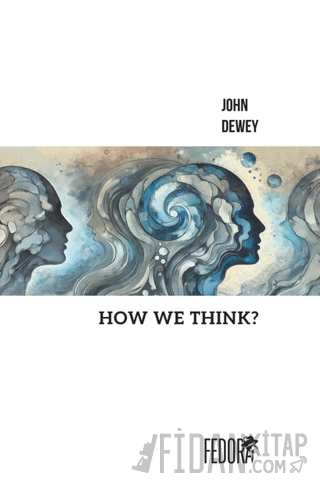
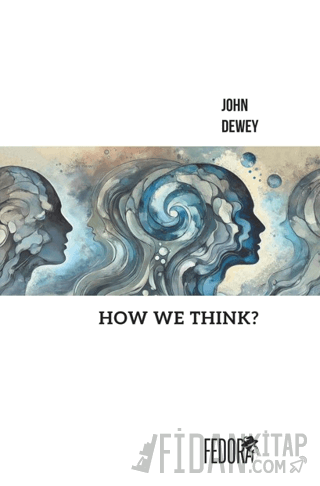
How We Think is a key work by John Dewey on education and the process of thinking. In this book, Dewey emphasizes the importance of developing critical thinking and the role of thinking skills in the learning process. He argues that thinking is not merely about acquiring knowledge, but is also an active process of problem-solving and meaning-making.
The book discusses how teachers and students can develop their thinking abilities, exploring various stages of thinking, particularly observation, analysis, and synthesis. Dewey stresses the importance of encouraging students to think more deeply and draw their own conclusions, rather than just transmitting information to them.
"How We Think" laid the foundation for critical thinking in education and served as an important guide on how thinking processes can be integrated into education. This work presents ideas that continue to shape contemporary educational philosophy.
How We Think is a key work by John Dewey on education and the process of thinking. In this book, Dewey emphasizes the importance of developing critical thinking and the role of thinking skills in the learning process. He argues that thinking is not merely about acquiring knowledge, but is also an active process of problem-solving and meaning-making.
The book discusses how teachers and students can develop their thinking abilities, exploring various stages of thinking, particularly observation, analysis, and synthesis. Dewey stresses the importance of encouraging students to think more deeply and draw their own conclusions, rather than just transmitting information to them.
"How We Think" laid the foundation for critical thinking in education and served as an important guide on how thinking processes can be integrated into education. This work presents ideas that continue to shape contemporary educational philosophy.
-
-
-
%30İNDİRİM239,00TL 167,30TL
-
-
-
-
-
-
-
%30İNDİRİM175,00TL 122,50TL